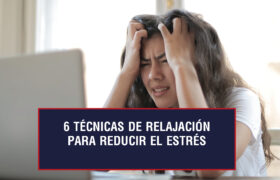
Stress is an unavoidable part of life, but it does not have to control you or be a constant burden. When it goes on for a long time, it can come with anxiety, one of the most common mental health difficulties. Anxiety is a normal emotion that we all feel from time to time; when it becomes excessive and persistent, it can interfere with daily life.
Relaxation techniques can lower tension and make you feel better. In this article I share six. The U.S. National Center for Complementary and Integrative Health (NCCIH) considers relaxation techniques such as progressive relaxation, breathing exercises and guided imagery generally safe for healthy people, although the evidence is limited and they do not replace treatment when anxiety persists. In rare cases they can bring on or worsen symptoms in people with epilepsy, certain psychiatric conditions, or a history of abuse or trauma. If that is your case, talk with your doctor or therapist first. For more on how to manage anxiety, you can read this article.
1. Progressive Muscle Relaxation
It consists of paying attention to the muscles of your body, from your feet to your head: you gently tense one muscle group for a few seconds and then let it go completely, noticing the difference between tension and relaxation. If you feel pain or discomfort, stop right away. Some areas of the body can be more sensitive than others; that is normal.
2. Mindfulness
It is the practice of being present in the moment, paying attention to your thoughts and feelings without judging them. It can help you pause before you react. Start with a few minutes a day. If it brings up painful memories or increases your anxiety, stop and talk about it with a professional.
3. Breathing Techniques
Slow breathing can calm you when you feel overwhelmed. Breathe in slowly through your nose and breathe out slowly through your mouth for two or three minutes. If you feel dizzy or more anxious, stop. Breathe normally.
4. Guided Imagery
It consists of using your imagination to create a calm scene, for example, a place that gives you peace, and walking through it calmly, using your senses. If your faith is a companion to you, you can pair it with a prayer or a Bible reading that gives you peace. If the images bring up painful memories, stop.
5. Art and Creative Expression
Drawing, painting, writing, making music or putting together a photo collage lets you express what you feel in a safe way. It is a good way to give an outlet to difficult emotions and to reduce worries that keep repeating.
6. Physical Activity
Some people find it hard to concentrate when they are anxious. A walk outdoors, stretching, gentle strength exercises or any activity you enjoy can clear your mind and leave you feeling more in control of your body. Walking is a low-impact option that almost anyone can do almost anywhere. If you have a health condition, talk to your doctor before you start.
When to Seek Help
If anxiety or stress persists, or interferes with your work, your relationships or your sleep, look for a mental health professional.
Which of these six techniques would you like to try this week, even for five minutes?
Would you like to talk with a professional? Call (407) 559-7093 (Monday to Friday, 9 a.m. to 5 p.m. Eastern) or find professional help here. For general questions that are not an emergency, write to drduany@zodugroup.com. Please do not send health information by email.
This article is for education only. It does not offer diagnosis or personal advice, does not replace evaluation or treatment by a health professional, and reading it or writing to us through this site does not create a therapeutic or pastoral counseling relationship. This site is not an emergency service and is not monitored continuously: do not send health information through comments or public forms. The author is a licensed psychotherapist and pastor, and is part of ZODU.
Sources
- National Center for Complementary and Integrative Health: Relaxation Techniques: What You Need To Know
Keep reading
 Mental health
Suicide in Children and Adolescents: Warning Signs and How to Help
If you are in crisis or thinking about hurting yourself, do not wait. Call or text 988 (988 Suicide & Crisis Lifeline…
 Mental health
Mental illness: an invisible enemy
Many people with mental illness are suffering discrimination in our churches because we are not prepared to deal with…
 Emotional Intelligence
Warning Signs of Dating and Marriage Violence
Dating and marriage violence is a reality. Courtship is a stage in the relationship in which people get to know the…